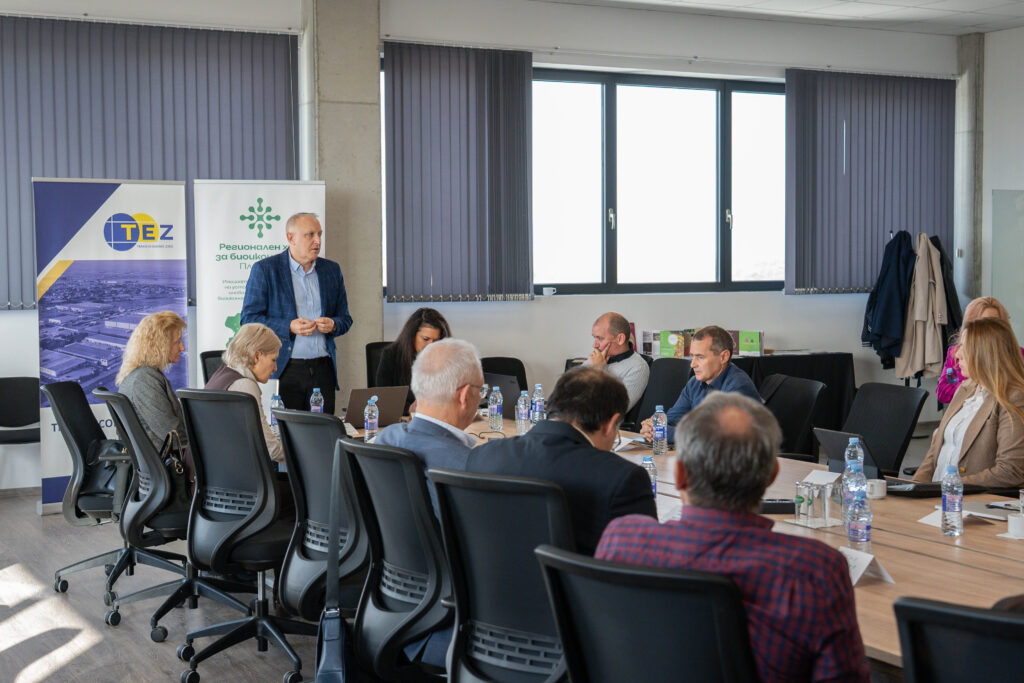
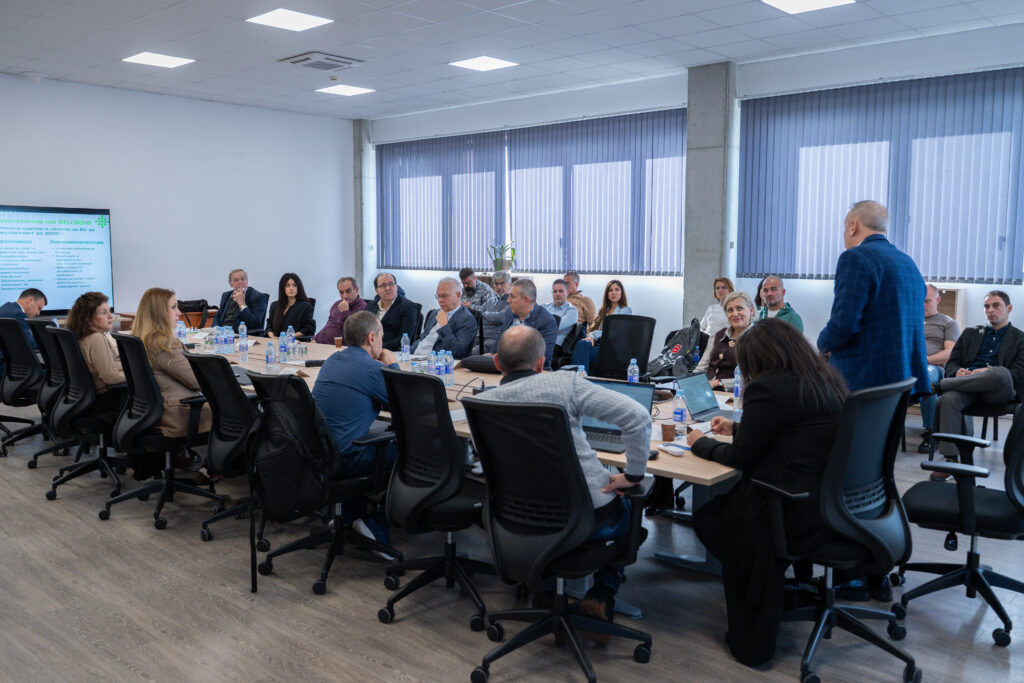
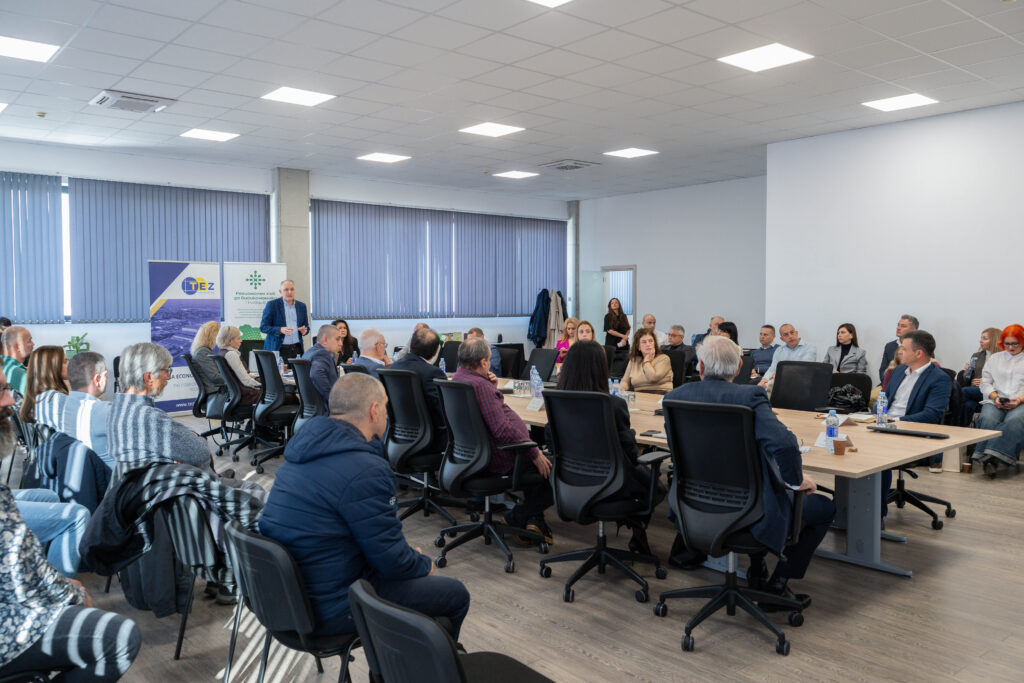
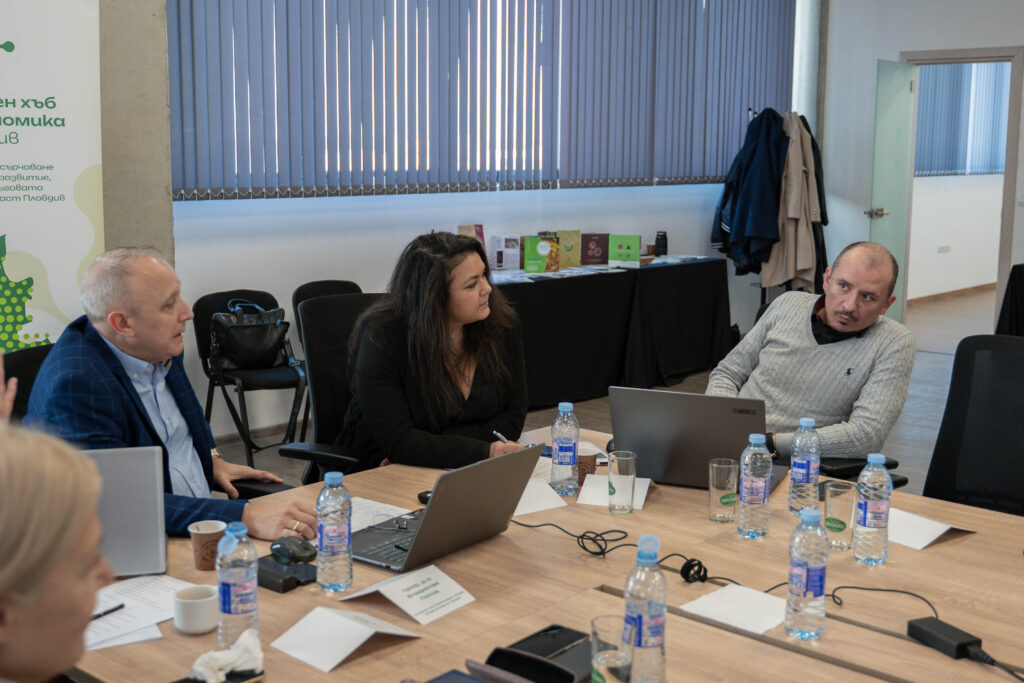
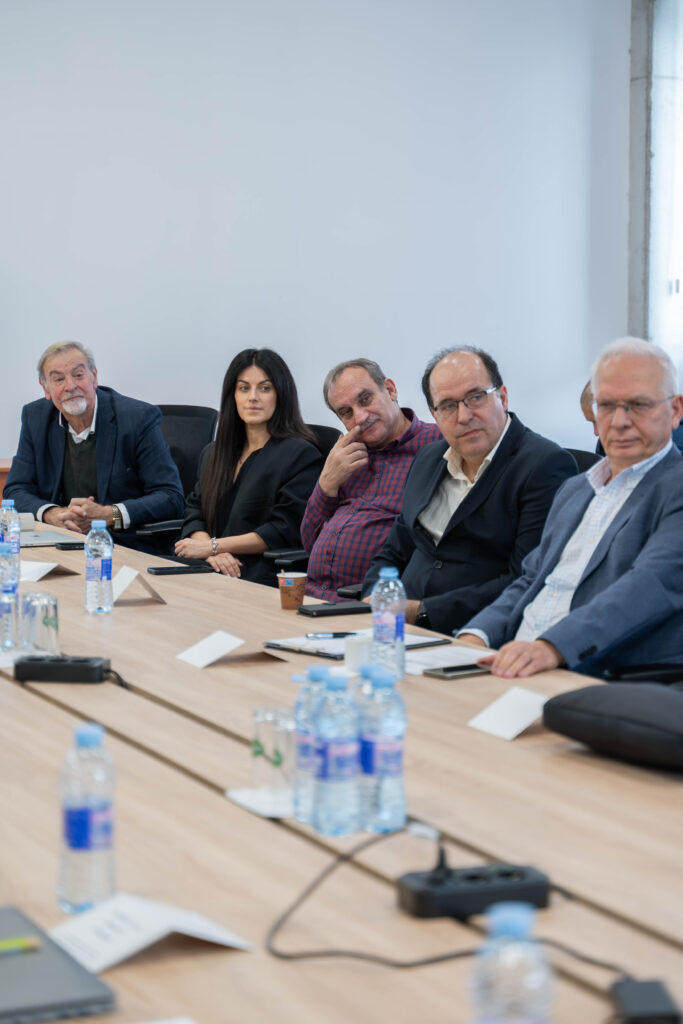
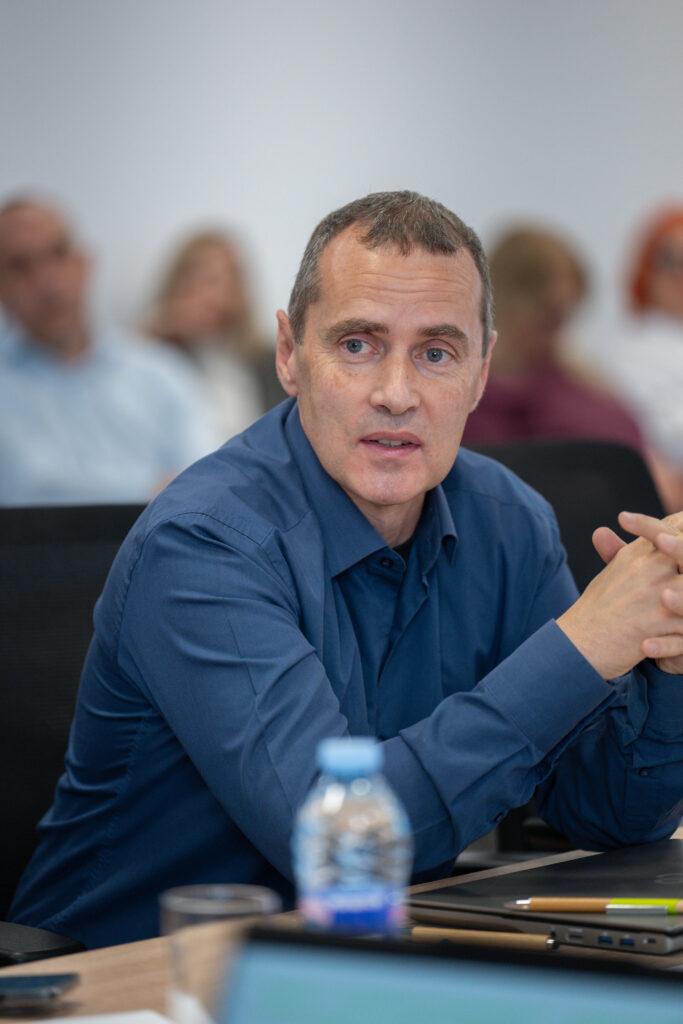
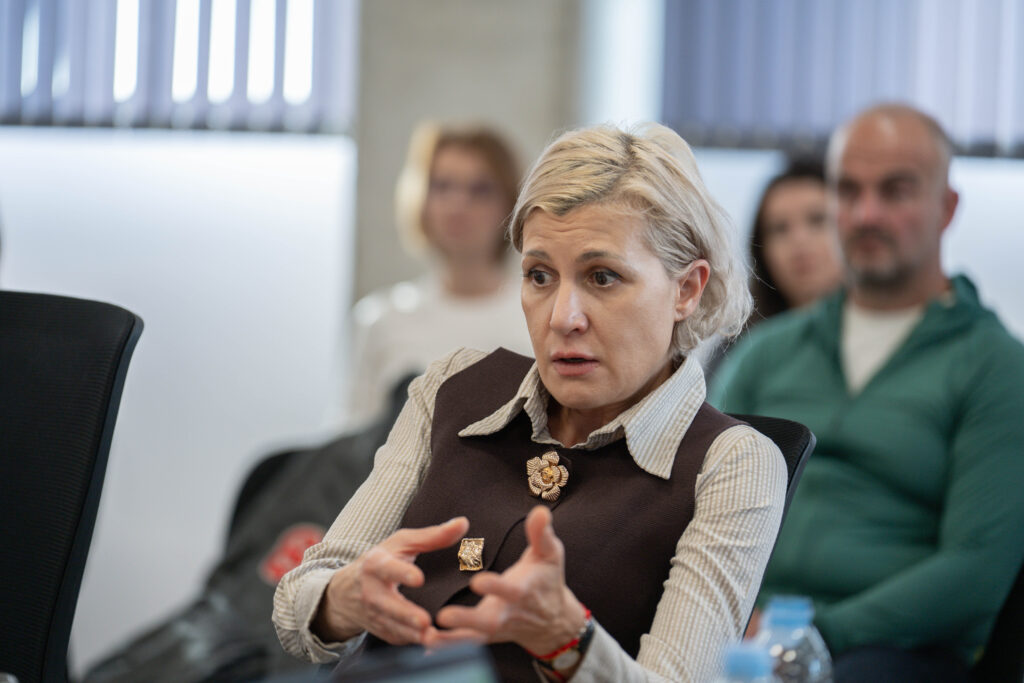
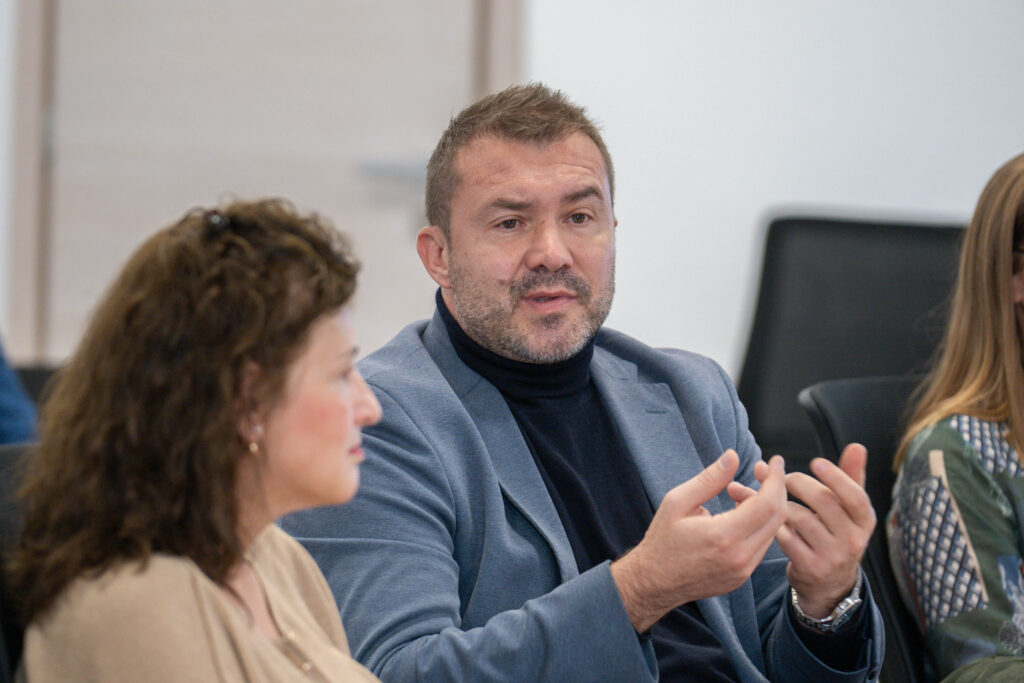
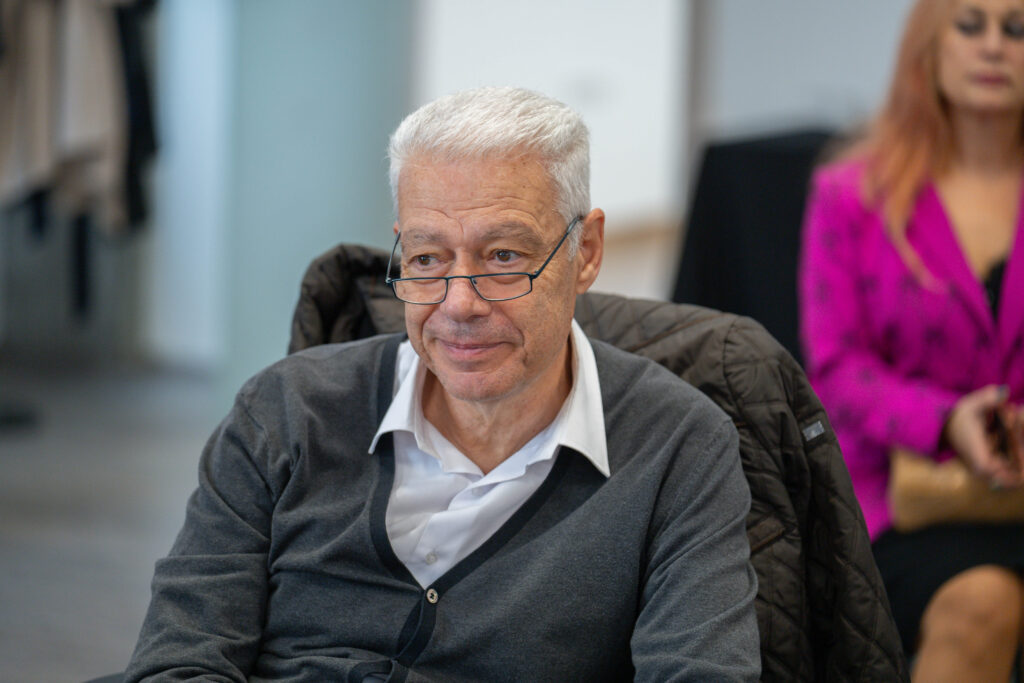
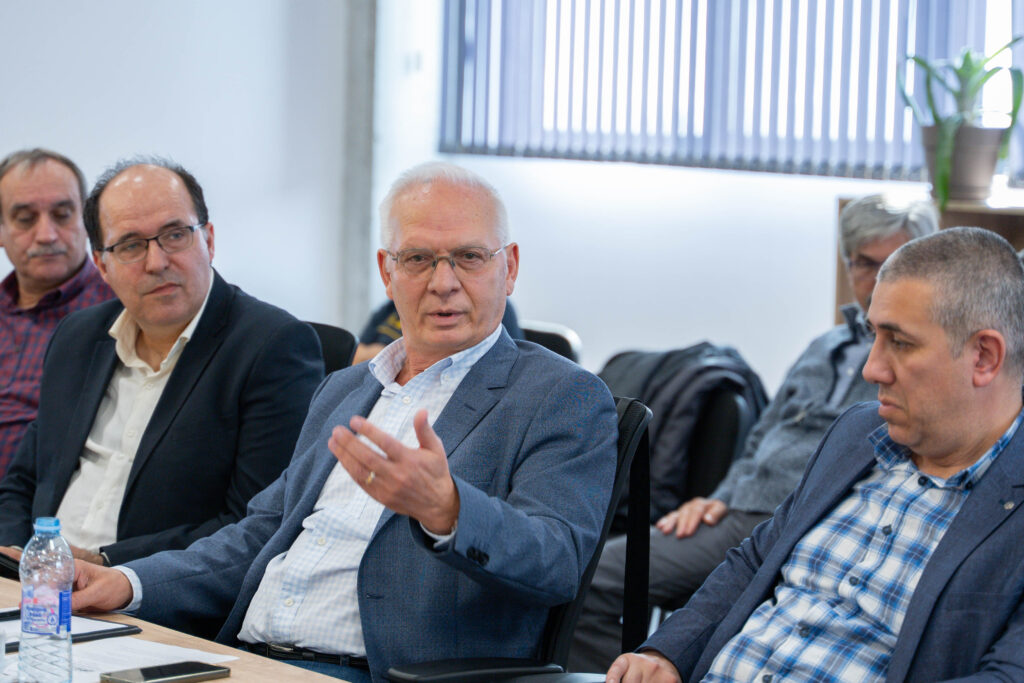
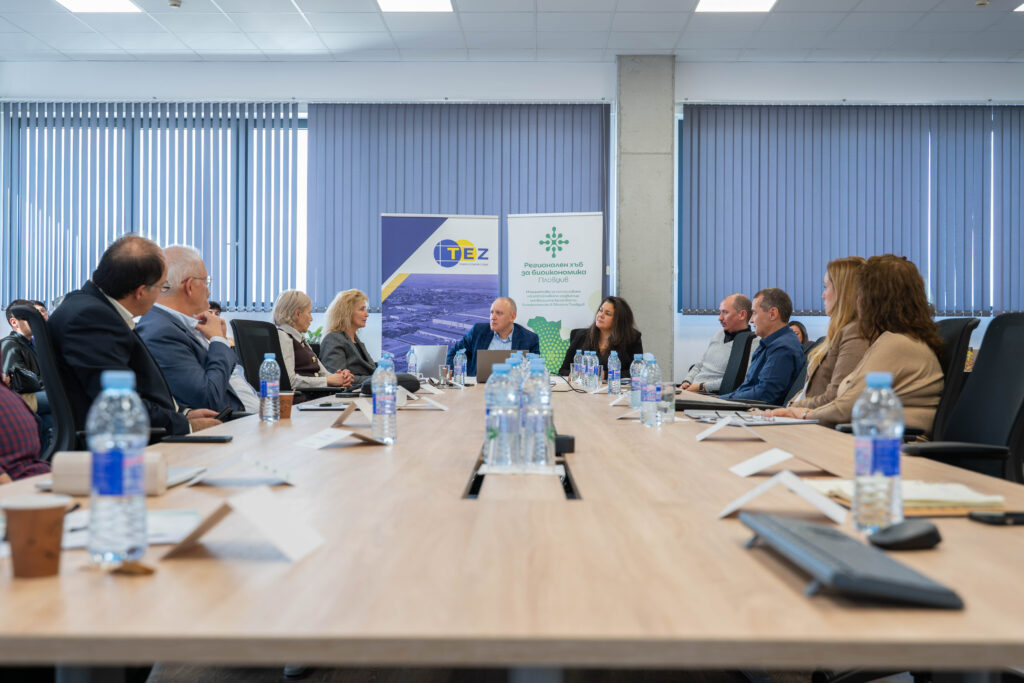
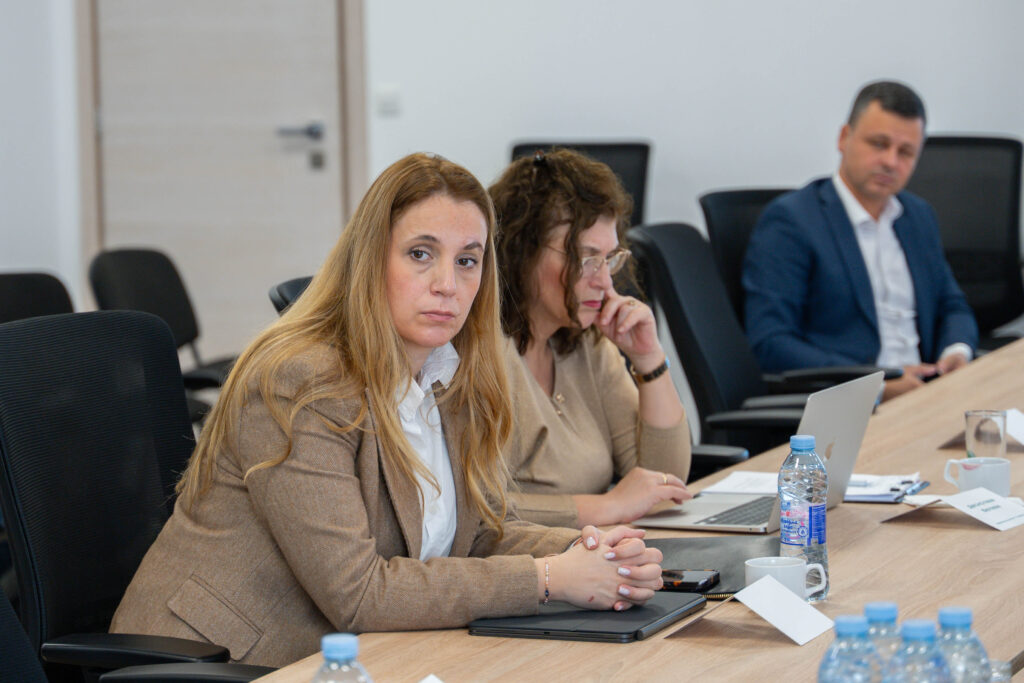
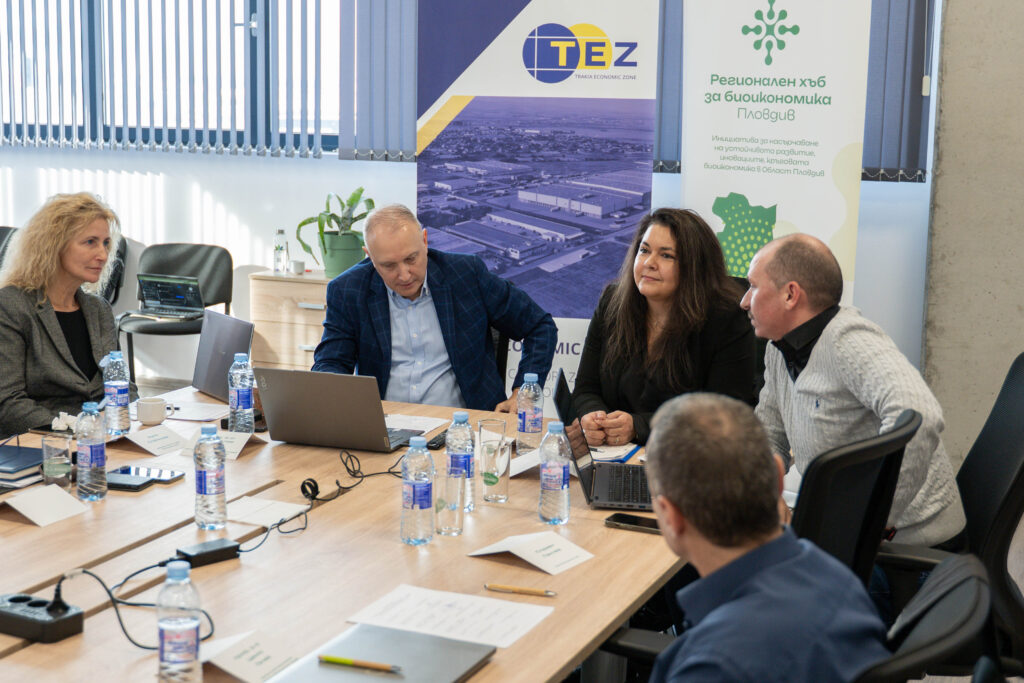
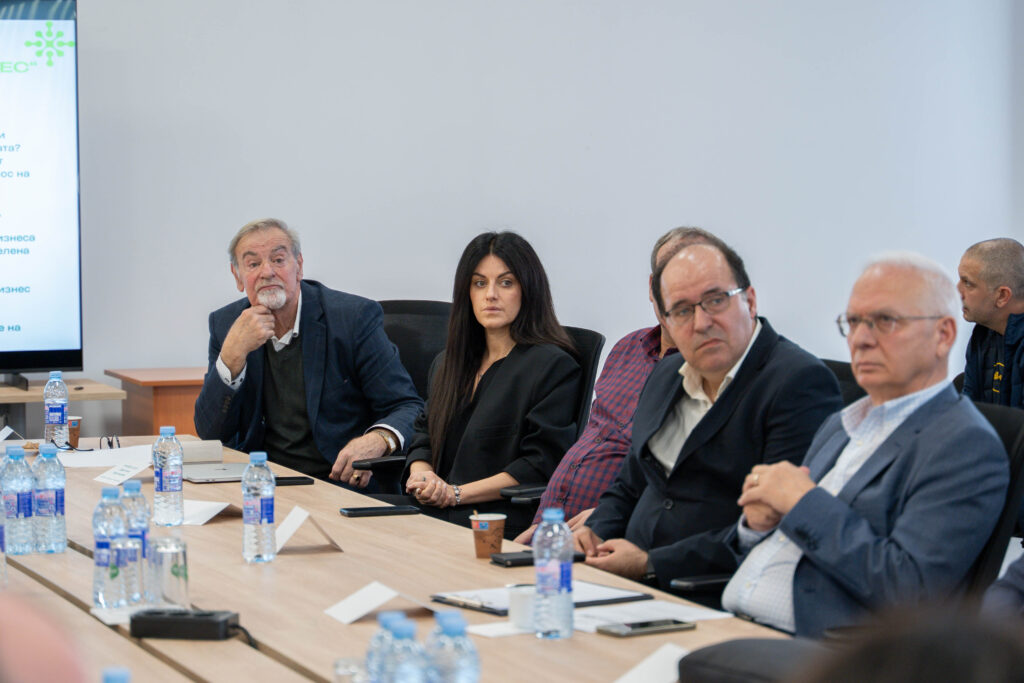
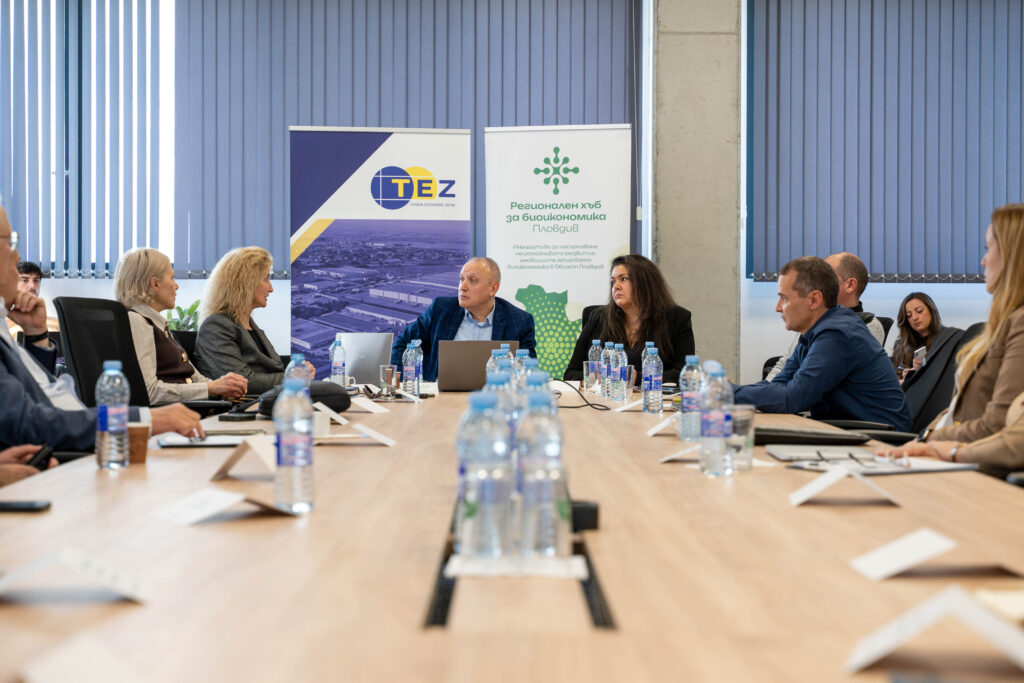
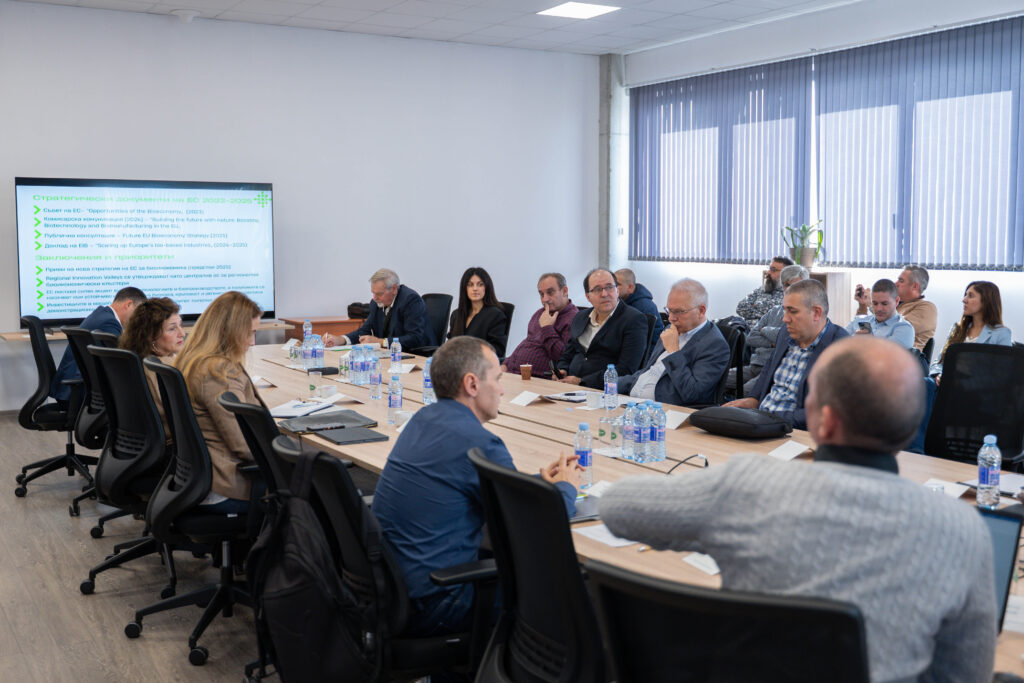
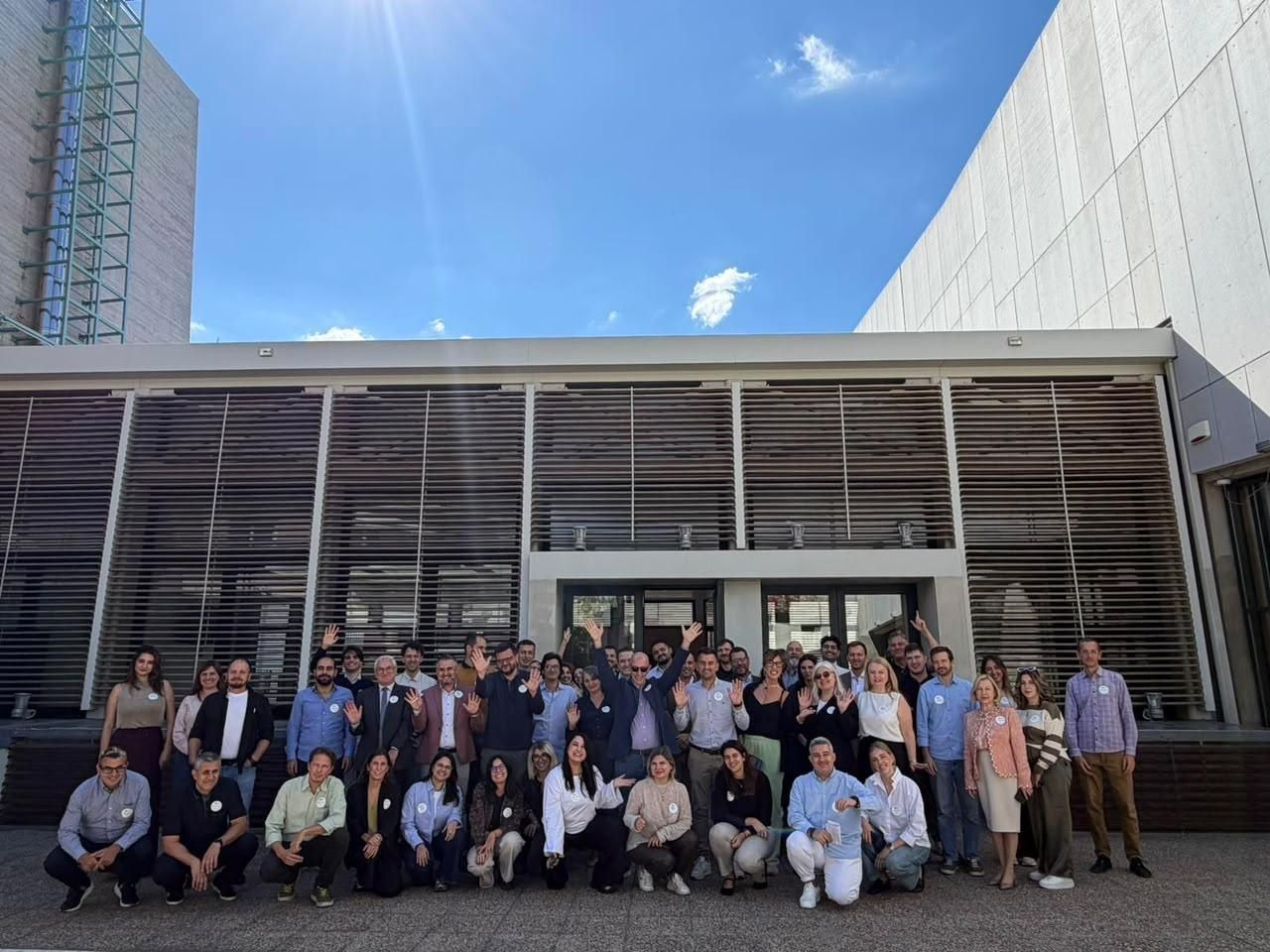
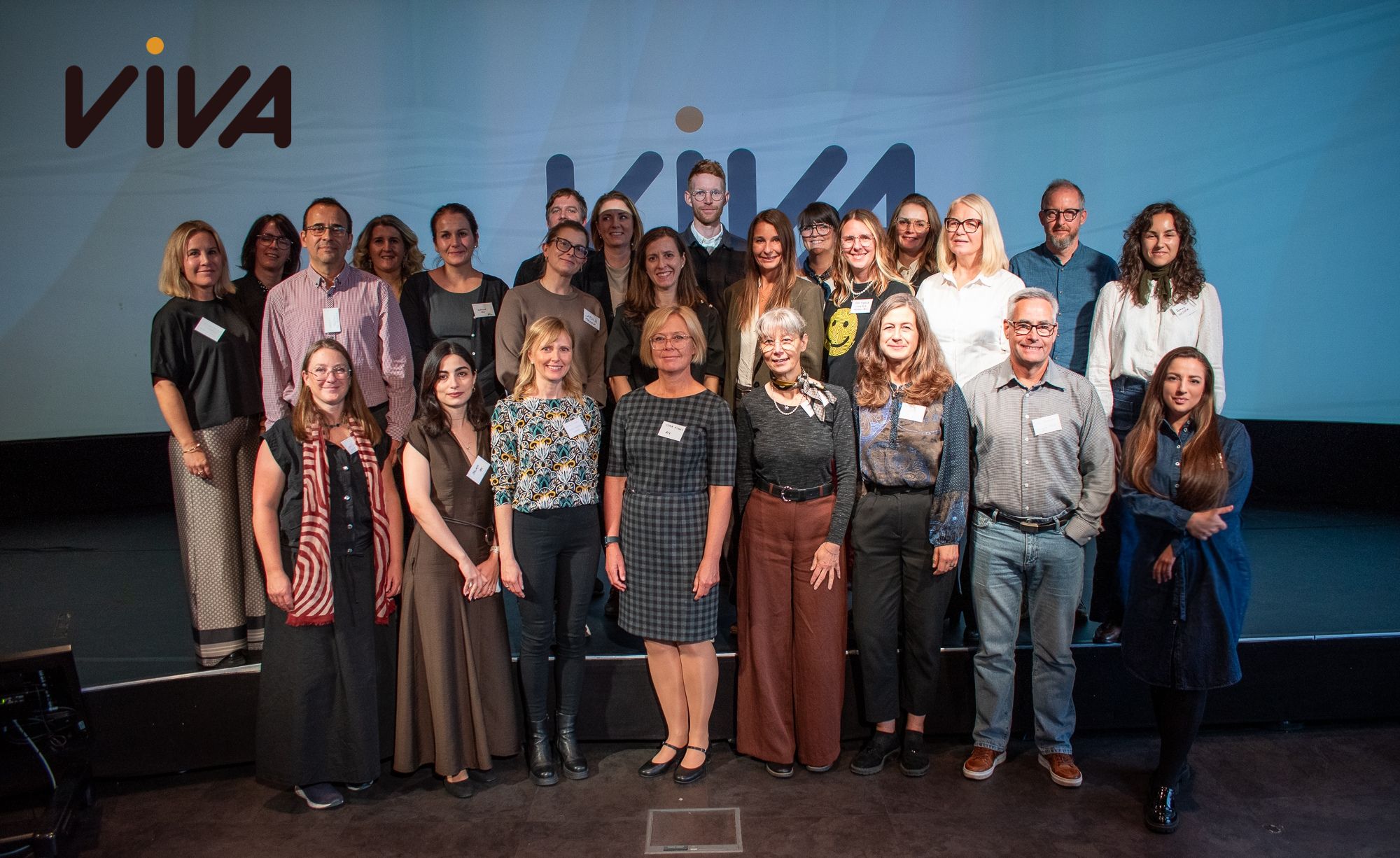
A first-of-its-kind event, bringing together all stakeholders engaged in the bioeconomy in Bulgaria, was held at the initiative of the Regional Bioeconomy Hub – Plovdiv, in partnership with the Trakia Economic Zone and LIDER.bg. The round table gathered representatives of government institutions, academia, business, municipalities, the non-governmental sector, and experts in finance and sustainability to discuss the strategic opportunities for developing the bioeconomy both regionally and nationally.
Participants included:
Anna Petrova – Ministry of Agriculture and Food
Georgi Ilyov – Ministry of Agriculture and Food
Prof. Vladislav Popov, PhD – Regional Bioeconomy Hub – Plovdiv; Agricultural University – Plovdiv
Prof. Tsanko Gechev, PhD – Center of Plant Systems Biology and Biotechnology
Plamen Panchev – Trakia Economic Zone
Katya Staykova – Trakia Economic Zone Cluster
Gergana Andreeva – Bulgarian National Association of Essential Oils, Perfumery and Cosmetics
Marin Genurov – Bulgarian Association of Greenhouse Producers
Ivan Shishkov – Municipality of Brezovo
Vasil Stoychev – Institute of Agricultural Economics, BIOEAST Hub Bulgaria
Prof. Petar Borisov, DSc – Agricultural University – Plovdiv
Prof. Darina Zaimova, PhD – Trakia University – Stara Zagora
Prof. Angel Angelov, PhD – Competence Center “Agri-Food Systems and Bioeconomy”
Prof. Petar Mandaliev, PhD – Center for Clean Technologies and Resource Efficiency from Biomass
Dimitrina Shindova – Center for Clean Technologies and Resource Efficiency from Biomass
Dr. Eng. Lyubcho Trichkov – Executive Forest Agency
Rangel Matanski – “Zaedno for Personal Development” Association
Konstantina Voinova – SCION Accelerator
Desislava Beleva – Lawyer and ESG expert
The debate focused on the implementation of European policies and regulatory frameworks, the development of science, education, and innovation, and the transfer of technologies to bio-based industries. Discussions also covered startups, incubators, and accelerators with a circular and environmental focus, sustainable business models, ESG standards, and funding opportunities from European, national, and private sources. Particular attention was given to knowledge transfer from universities and research centers to businesses and to the integration of sustainable practices into industrial and regional models.
Prof. Vladislav Popov, Chairman of the Regional Bioeconomy Hub – Plovdiv, provided an overview of the sector and outlined key challenges in Bulgaria: fragmentation and lack of a national strategy, weak monitoring, insufficient connectivity between business and academia, lack of demonstration centers, and a low level of innovation and digitalization. At the same time, opportunities were identified, including the development of a coherent sectoral framework, alignment with European initiatives, creation of living labs, R&I ecosystems, knowledge transfer platforms, demonstration zones and accelerators, as well as greater visibility and support for circular solutions.
Key themes and discussions:
Institutions and funding
Experts from the Ministry of Agriculture and Food emphasized that a wide range of financial instruments is available to support the bioeconomy. The Ministry of Innovation and Growth also provides funding opportunities. The Fund of Funds supports technology transfer, while the Rural Development Programme includes measures for vulnerable groups, including youth. Under the Common Agricultural Policy, upcoming interventions will support investments in agriculture, environment, and biotechnology. Additional measures address risk management, drought, and regenerative agriculture. Overall, funding is available, and institutions remain open to dialogue and cooperation.
Science and business
It was concluded that science and business cannot operate independently. Research must respond to real business needs. Participants agreed that stronger communication and joint projects are essential. Universities presented national centers of excellence and successful initiatives developed through European projects. While the potential is significant, there is a need for more applied research and faster technology transfer—currently too slow compared to business expectations. Universities in Plovdiv, Trakia University, and UFT already collaborate with industry, but partnerships need to expand. The Center of Plant Systems Biology and Biotechnology receives interest from companies in Bulgaria and abroad, yet demand should grow further. Business should take a more proactive role in seeking scientific collaboration, with solutions tailored to regional conditions.
A strong example was highlighted from the Trakia Economic Zone, where a new wastewater treatment plant demonstrates effective coordination between science and industry. Switzerland was also cited as a model, where research is largely business-driven, with clearly defined economic outcomes, measurable financial benefits, and job creation targets set before research begins. Local authorities were recognized as key actors in education and innovation.
A striking comparison was made with China, where waste from oil-bearing rose and other bioactive crops is already being utilized—while in Bulgaria, a leading producer of Rosa Damascena, this potential remains largely untapped.
Education and startup funding
There is a need to elevate education standards, motivate students, shorten the gap between academic and practical work, and encourage teamwork. Spin-off companies should be supported, and careers in agriculture, biotechnology, circular economy, and recycling should be actively promoted. The creation of incubators is essential. Accelerators focused on circular innovation already exist, but projects must be backed by solid scientific research and data.
Business and sustainability
ESG standards were highlighted as essential for transparency, risk reduction, improved access to financing, and sustainable business development. ESG reporting enables data-driven decision-making while helping companies build trust with investors, partners, and consumers and integrate successfully into European and global markets.
It is encouraging that numerous bioeconomy initiatives are already emerging in Bulgaria. The fact that all stakeholders gathered at one table is a strong signal for improved coordination in the future. Participants emphasized the need to consolidate efforts and move towards establishing a unified working group, as well as initiating a national-level dialogue involving all relevant sectors.
The active involvement of the Ministries of Agriculture and Food, Innovation and Growth, and Environment and Water will be crucial to achieving synergy across all stakeholders.