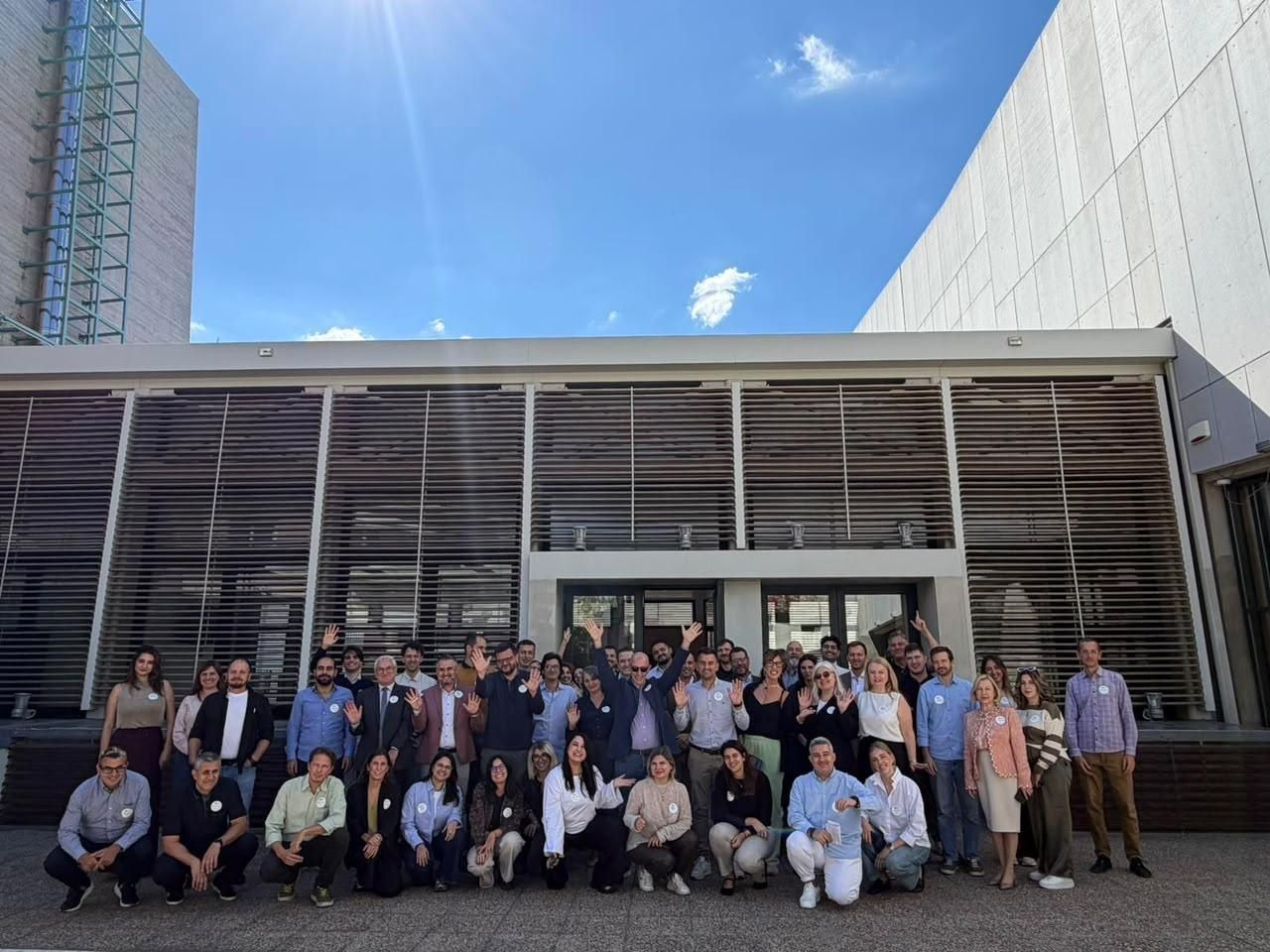
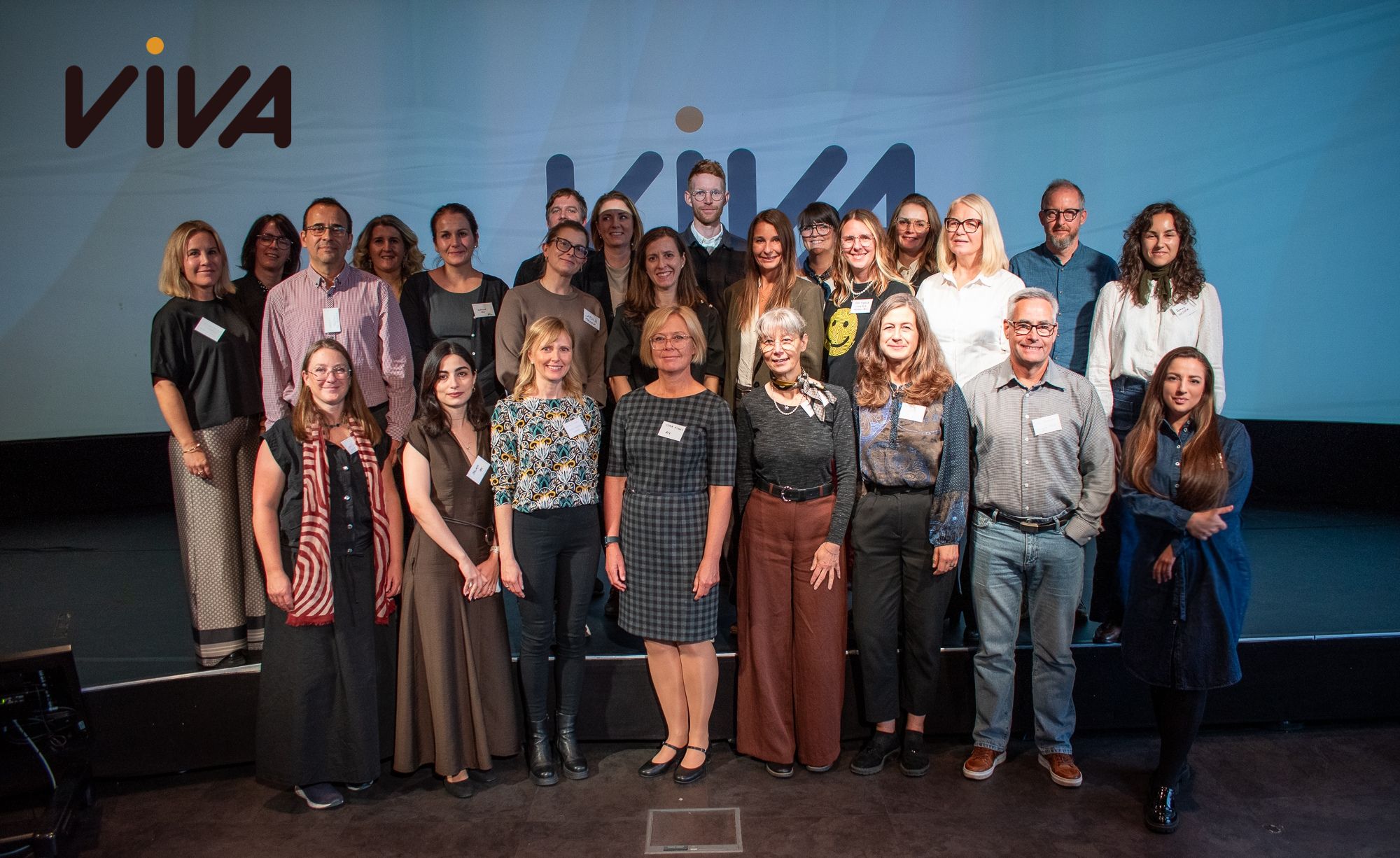
On June 2, 2025, the first meeting of the year and second regular session of the Regional Bioeconomy Hub – Plovdiv took place with the participation of the Association’s members. The meeting highlighted the key achievements to date and outlined new priorities for advancing the bioeconomy in the Plovdiv region. Attendees included: Prof. Vladislav Popov – Agricultural University of Plovdiv; Prof. Petar Borisov – Agricultural University of Plovdiv; Prof. Tsanko Gechev – Center of Plant Systems Biology and Biotechnology; Gergana Andreeva – Bulgarian National Association Essential Oils, Perfumery and Cosmetics; Teodora Krasteva – Bulgarian Greenhouse Growers Association; Rangel Matanski – Association “Together for Personal Development”; Daniela Gozmanova – Regional Bioeconomy Hub – Plovdiv.

Among the main topics discussed was an overview of the activities carried out so far: the creation of a bilingual website featuring up-to-date content and a visual identity for the Hub, the successful submission of the Association’s Annual Financial Report, and participation in project proposals submitted to the State Fund “Agriculture” and under the Erasmus+ Programme, with results currently pending. Potential involvement of the Association in future project partnerships under BIOEAST and Horizon Europe, as well as in ongoing Horizon Europe initiatives in which individual members already participate, was also discussed. In this context, the Association has initiated active communication with foreign universities and organizations through invitations for joint project cooperation.
A key part of the agenda focused on the utilization of biological residue – biomass and wastewater – resulting from rose oil production. Opportunities were explored for integrating this process into a future European project with a focus on circular and bio-based economy approaches. Possible final products derived from the residual biomass were discussed, including flavoring agents, biostimulants, dietary supplements, and industrial-use proteins. Hub members presented existing research and patents developed at the University of Food Technologies related to the extraction and processing of rose residues. Despite the solid scientific foundation, the lack of specific technological steps for moving from patent to laboratory testing, pilot production, and market entry was emphasized. Prof. Popov pointed out that in some European countries, similar technological processes have already been implemented with the help of European funding, supporting the entire cycle from biomass to marketable product through both scientific and financial infrastructure. In this context, the idea emerged for the creation of a demonstration production center to process various types of biomass from regional agricultural holdings – including rose waste, grape pomace, lavender residue, and other agro-biological materials. The purpose of such a center would be to demonstrate the practical application of scientific innovation, support farmers in transitioning to a circular bioeconomy, and stimulate new business models and employment opportunities.
Additional discussions focused on future opportunities for applying under other European programs. Members unanimously recognized the potential of the Erasmus+ Programme and encouraged increased engagement in this area. Already developed online training courses from previous projects involving Hub members have been uploaded to the official website, and new educational modules are under development.
The issue of a lack of adequately trained professionals in the bioeconomy field was also addressed. There was general agreement on the need to identify and motivate new contributors ready to engage in the Hub’s activities. In this regard, the matter of admitting new members to the Association was considered. A consensus was reached that expansion is needed, but should take place based on clear criteria, with a focus on regional organizations that demonstrate potential for active involvement and alignment with the Hub’s mission.
In conclusion, strong support was expressed for the idea of organizing a conference in the fall of 2025 dedicated to sustainable development, the bioeconomy, and bio-based production. The meeting ended with a shared commitment to greater engagement from all members in both ongoing and upcoming activities, as well as enhanced communication and participation in the initiatives of partner organizations.